Contact
Cherokee Brick Blog
Why Brick Homes Often Feel Quieter Inside
by Anna Palmer
Posted on March 26, 2026 11:45 AM
Why Brick Homes Often Feel Quieter Inside
When choosing building materials for a home, most people think about appearance, durability, or maintenance. However, one benefit that often goes unnoticed is how certain materials influence the sound environment inside a house. Many homeowners are surprised to discover that brick homes often feel noticeably quieter than those built with lighter exterior materials.
This is not just perception, it’s largely due to the physical properties of brick itself.
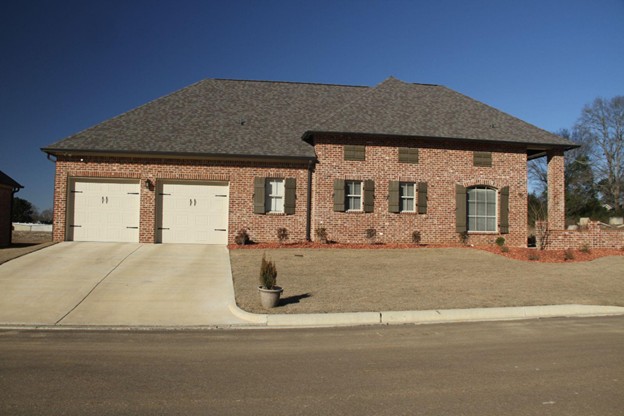
Hampton - Georgia Classic Collection
The Science Behind Brick and Sound
Brick is a dense, solid material made primarily from natural clay that has been fired in a kiln at extremely high temperatures. This process produces a strong and compact structure that naturally resists the movement of sound waves.
Sound travels through vibrations. When sound waves hit a wall, some of that energy passes through the material while the rest is absorbed or reflected. Because brick is heavier and denser than many other building materials, it is much more effective at blocking and dampening these vibrations.
In simple terms, dense materials make it harder for sound to travel from one side of a wall to the other. This means outside noises, like traffic, construction, or neighborhood activity, are less likely to penetrate into the living space.
A Buffer Against Outdoor Noise
For homes located near busy roads, schools, or commercial areas, sound control can make a significant difference in everyday comfort. A brick exterior acts as a protective barrier that helps reduce the amount of external noise entering the home.
Instead of hearing every passing car or distant siren, brick walls help soften and reduce those sounds before they reach the interior. The result is a calmer, more peaceful indoor environment.
This benefit is one reason why brick is often used in buildings where noise control matters, such as schools, libraries, and apartment buildings.

Montgomery - Heritage Collection
Added Layers Improve Acoustic Performance
Brick homes also typically feature multiple layers within the wall system. In addition to the exterior brick veneer, there may be insulation, air gaps, sheathing, and interior drywall. Each layer contributes to reducing sound transmission.
Together, these layers create a wall assembly that is highly effective at limiting the movement of sound waves. The combination of dense brick and insulated interior spaces helps absorb and disperse noise before it can travel into living areas.
Quiet Comfort Indoors
The benefits of reduced noise go beyond simple comfort. A quieter home environment can support better relaxation, improved concentration, and more restful sleep. Whether someone is working from home, studying, or simply enjoying a quiet evening, minimizing background noise can make a noticeable difference in daily life.
Homeowners may not initially choose brick for its acoustic qualities, but many appreciate the added tranquility once they experience it.
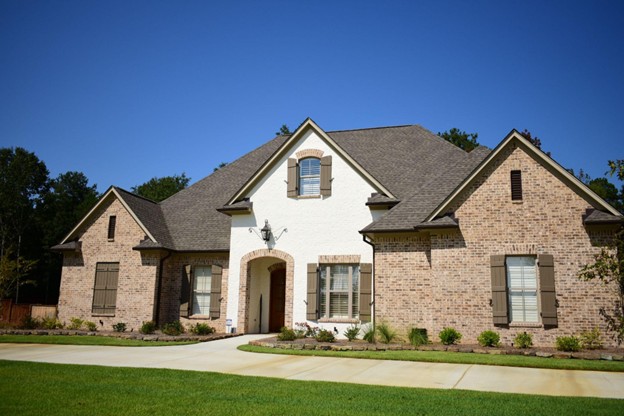
Berkley - Georgia Classic Collection
A Material That Works Behind the Scenes
Brick has long been valued for its strength, beauty, and longevity, but its ability to support a quieter home is another advantage worth recognizing. The natural density of brick helps create a buffer between the outside world and the interior living space.
Cherokee Brick continues to produce high-quality clay brick products that contribute not only to durable and attractive construction, but also to comfortable, peaceful homes.
While it may not always be the most visible benefit, the quiet performance of brick is yet another example of how this timeless material continues to support better living environments.