Contact
Cherokee Brick Blog
Why Brick Is One of the Few Materials That Gets Better With Weather
by Anna Palmer
Posted on January 28, 2026 9:28 PM
Why Brick Is One of the Few Materials That Gets Better With Weather
.png)
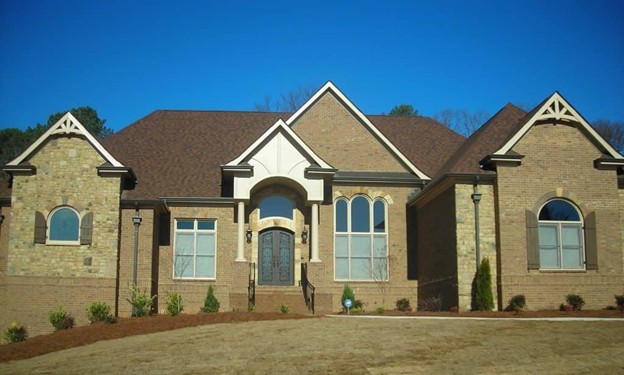
Pinehurst - Georgia Handcrafted Collection
Most building materials are designed to resist time. Brick is different. It works with time, not against it. While many exterior finishes look their best on day one and slowly decline from there, brick begins a long, visible relationship with weather, one that often makes it more beautiful, not less.
This is one of brick’s most overlooked qualities, especially in a world focused on instant results and pristine surfaces.
Weather as a Design Partner
Rain, sun, wind, and temperature shifts all leave their mark on a building. With many materials, those marks read as damage: peeling, fading, warping, or cracking. With brick, weathering tends to create depth. Subtle color variations emerge. Mortar lines soften. Edges gain character.
Rather than appearing worn out, brick buildings often appear settled in, as though they belong exactly where they are.
Architects sometimes refer to this as “graceful aging,” and it’s a quality that can’t be manufactured or rushed.
.png)
Graystone Brick- Georgia Classic Collection
Patina vs. Decay
There is a critical difference between patina and decay. Decay suggests failure; patina suggests history. Brick develops patina because its color is integral, not applied. There’s no surface coating to flake away and no artificial finish to degrade unevenly.
As brick responds to decades of exposure, it tells a visual story of place, how much sun it receives, how rain moves across the façade, how seasons change. This creates a richness that flat, uniform materials simply can’t replicate.
Proof of Performance
Weathering also serves as visual proof of durability. A brick wall that has endured decades of heat, storms, and freeze-thaw cycles becomes a quiet performance record. It doesn’t need explanation or marketing language, it shows its reliability through survival.
This is why historic brick buildings often feel more trustworthy than newer structures made with lighter materials. Their appearance signals endurance, not vulnerability.
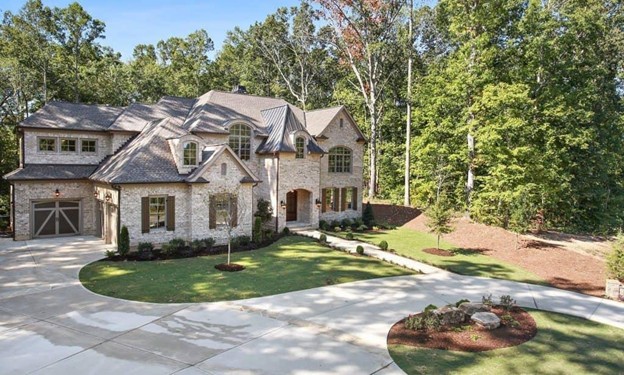
Augusta - Georgia Classic Collection
Authenticity Over Perfection
In contemporary design, there’s a growing appreciation for authenticity over perfection. Homeowners and designers alike are moving away from surfaces that must remain flawless to look good. Brick fits naturally into this shift.
Minor variations, softened edges, and gentle color shifts don’t detract from brick, they enhance it. These changes humanize a building, making it feel lived-in rather than staged.
Climate Makes Brick Unique
Unlike many materials that struggle under extreme temperature swings, brick adapts well to environmental stress. Its thermal mass moderates heat and cold, and its density helps resist wind and impact. Over time, this resilience reinforces the visual confidence brick projects.
A building that weathers storms without visible distress earns long-term respect.
Designed for the Long View
Brick rewards patience. It’s a material that looks forward, not just at the moment of installation but decades into the future. In a culture dominated by short design cycles and frequent replacement, brick offers something rare: improvement over time.
The beauty of brick is not frozen at completion—it evolves.
And in that evolution, brick does something few materials can: it transforms weather from an enemy into an ally, proving that lasting design isn’t about staying new, but about aging well.